8 Ways to Protect Yourself from Air Pollution
Delhi and NCR are facing hazardous air quality levels. This guide offers practical steps to safeguard your health during severe pollution, especially crucial for vulnerable groups like children and the elderly.

🌿 8 Ways to Protect Yourself from Air Pollution
1. Limit Outdoor Activities
When pollution levels are high, the best protection begins indoors.
Stay Indoors – Avoid outdoor activities, especially early in the morning and late evening when air pollution peaks.
Do Indoor Workouts – Choose yoga or light indoor exercises to stay fit without inhaling pollutants.
Reschedule Travel – Postpone unnecessary trips on days with extremely high AQI to safeguard your lungs.

2. Use Masks Effectively
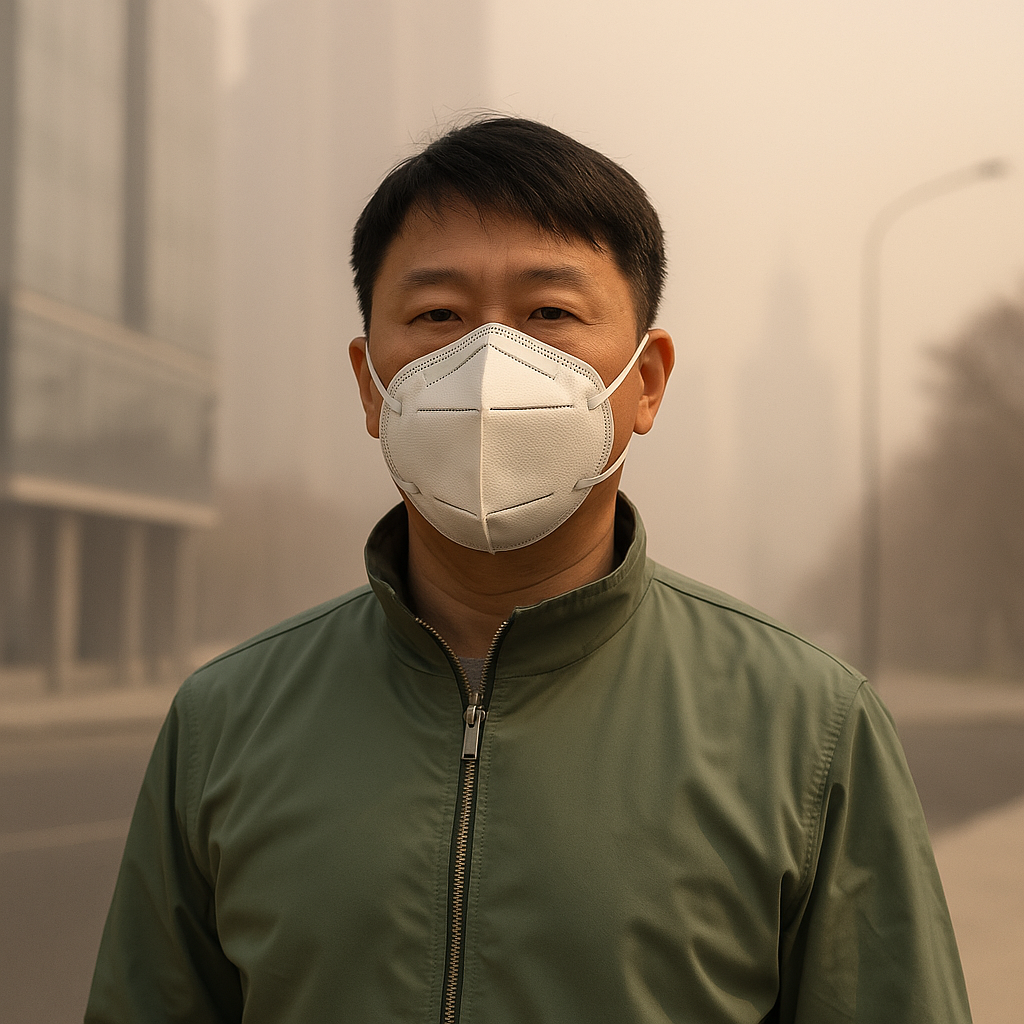
A quality mask is your first line of defense against toxic air.
High-Quality Masks – Wear N95 or N99 masks to filter out fine particulate matter (PM2.5).
Ensure Proper Fit – A snug fit ensures effective air filtration and minimizes leaks.
Check Breathability – Select masks that are protective yet comfortable enough for daily use.
3. Purify Your Indoor Air
Clean indoor air can significantly reduce your exposure to pollutants.
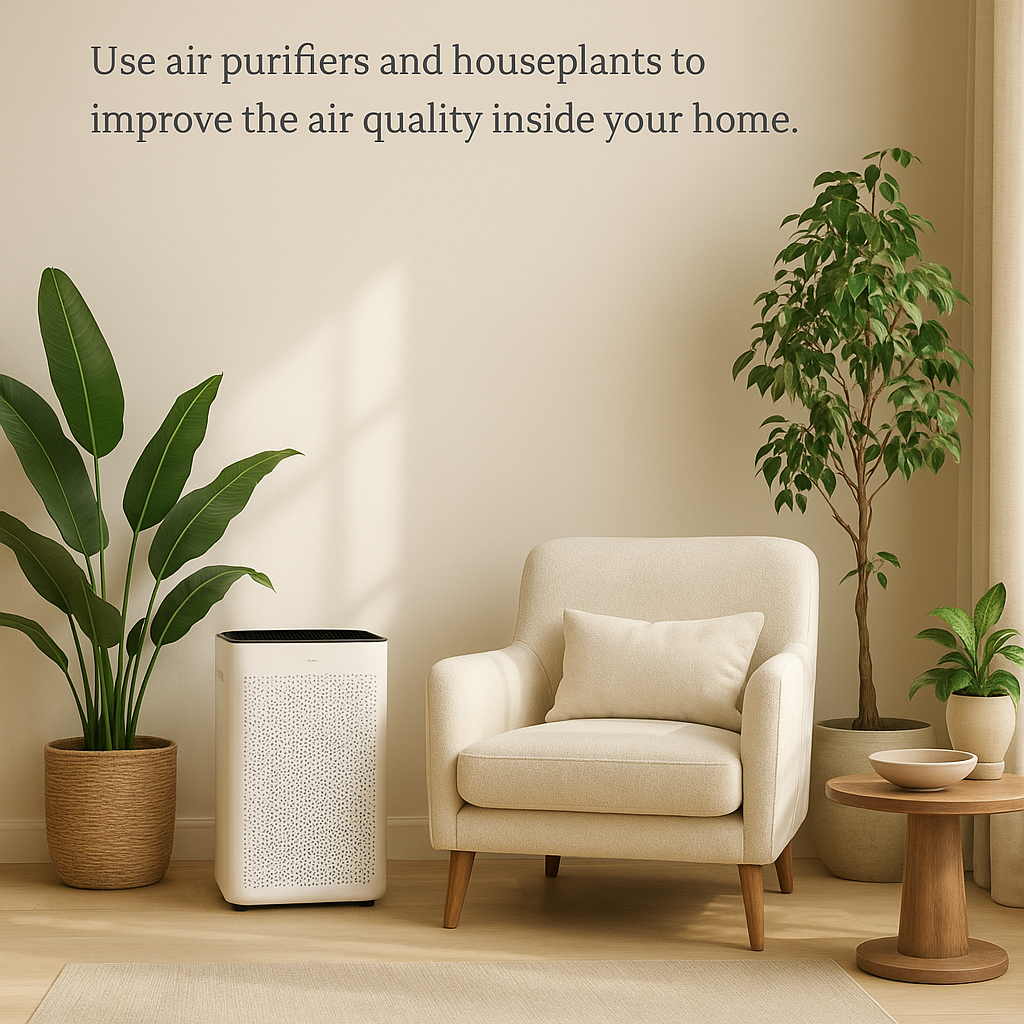
Air Purifiers – Install air purifiers in bedrooms and living spaces for cleaner breathing zones.
Indoor Plants – Keep air-purifying plants such as Snake Plant, Peace Lily, and Areca Palm for natural purification.
Seal Openings – Close gaps and use draft stoppers to prevent outdoor pollutants from entering your home.

4. Stay Hydrated and Eat Healthy
Good nutrition and hydration strengthen your natural defense system.
Drink Plenty of Water: Hydration helps your body flush out harmful toxins.
Antioxidant-Rich Diet: Eat leafy greens, berries, and carrots to fight oxidative stress caused by pollution.
Avoid Processed Foods: Junk food weakens your respiratory and immune systems.
Increase Vitamin C: Citrus fruits and bell peppers help repair lung tissue and boost immunity.
5. Minimize Additional Pollutants
Keep your home environment clean and free from added irritants.
No Smoking: Avoid smoking indoors or outdoors to reduce toxic emissions.
Wet Mopping: Use wet cleaning methods instead of dry sweeping to limit dust particles.
Avoid Burning Waste: Never burn garbage, leaves, or wood; it releases harmful gases into the air.

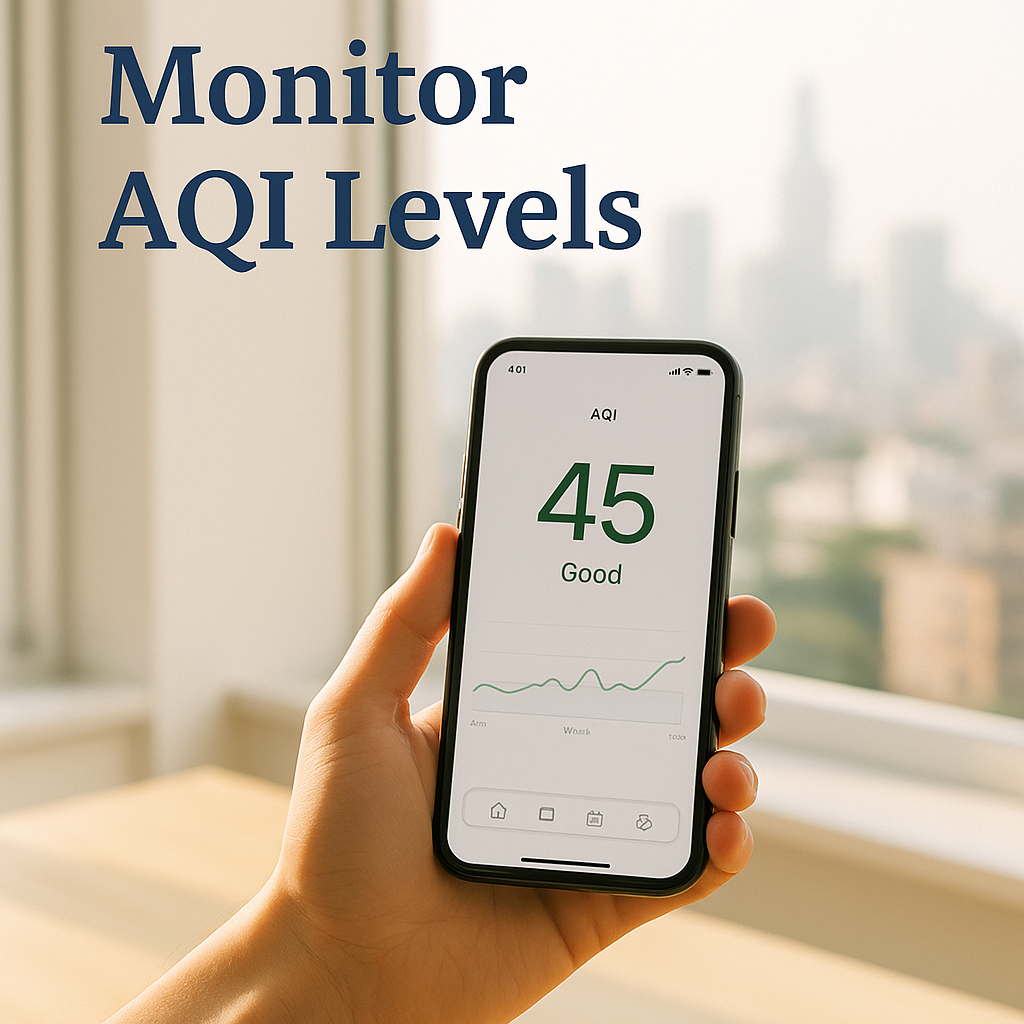
6. Monitor AQI Levels
Stay informed and plan your day around air quality data.
Check Updates Regularly: Use reliable apps like SAFAR, AQI India, or Plume Labs to track real-time air quality.
Follow Alerts: Observe public advisories and safety recommendations issued by authorities.
Plan Activities Accordingly: Schedule outdoor work or travel when AQI levels are in the safe range.
7. Seek Medical Help When Needed
Early action can prevent long-term respiratory issues.
Watch for Symptoms: Seek medical attention if you experience coughing, wheezing, or shortness of breath.
Keep Medications Handy: People with asthma or allergies should keep prescribed inhalers and medications accessible.
Regular Health Check-ups: Routine check-ups help monitor lung and overall respiratory health.


8. Be Part of the Solution
Individual efforts combined can make a collective difference.
Use Public Transport: Reduce vehicle emissions by opting for public transport or carpooling.
Plant Trees: Participate in tree-planting drives to enhance community air quality.
Support Green Policies: Advocate for sustainable government and corporate measures that promote clean energy.