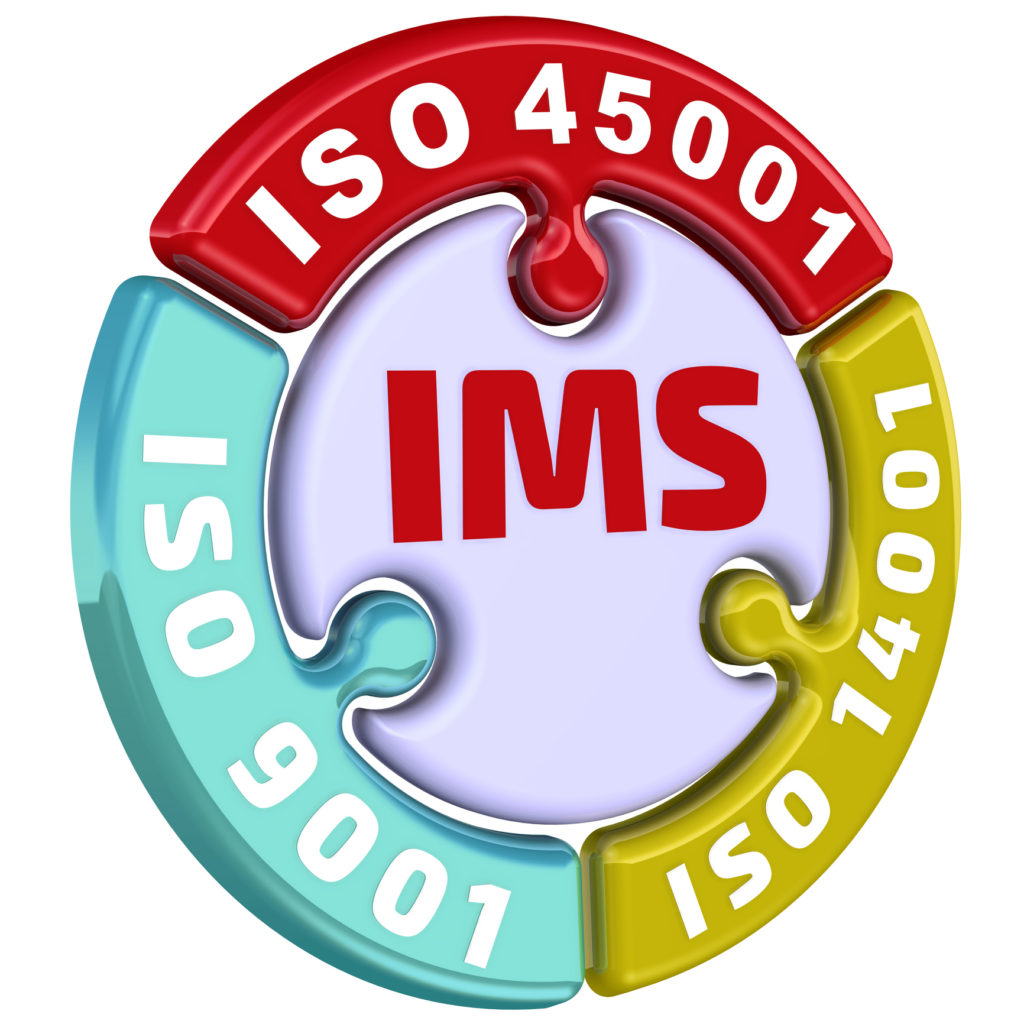
Integrated management system – ISO 9001, ISO 14001 and ISO 45001
Learn how to carry out audits of an integrated management system to assess compliance with relevant standards, such as ISO 9001, ISO 14001 and ISO 45001, and identify potential for performance improvement, with our Integrated Management Systems (IMS) Auditor training course.
This 3-day course takes delegates through the integrated audit process, from the development of the audit schedule through to its follow up and closeout. Interactive workshops and case studies encourage discussion around the benefits and practicalities of auditing an IMS.
Students will leave the course with the skills and confidence to undertake audits of integrated management systems.
Who should attend?
This course is suitable for:
- those who have no previous experience in auditing but do have knowledge of the requirements of ISO 9001, ISO 14001 and ISO 45001
- existing quality, environmental or health & safety management systems auditors who wish to broaden their capability into the other disciplines
- those involved in the development and implementation of an integrated management system (IMS)
- anyone who is required to identify gaps in the effectiveness of their IMS
To benefit fully from this course, delegates are expected to have knowledge of the requirements of ISO 9001, ISO 14001 and ISO 45001.
Key topics
Topics covered on the course include:
- assessing environmental aspects, H&S hazards and risks
- legal framework for auditors
- the audit process, including
- audit planning
- preparing IMS audit checklists
- non-conformity writing and closing meetings
- reviewing corrective action
- techniques and improvement approaches for auditing integrated management systems
- auditor skills and knowledge
Skills gained
On completion of this Integrated Management Systems Auditor training course, delegates will be able to:
- understand the risks and benefits of integrated management system auditing
- plan for and perform an integrated management system audit
- identify the effectiveness of the management system under audit
- provide an overview of aspects, hazards and risks and understand the legal framework of quality, environmental and health & safety requirements
- apply and develop the necessary skills to undertake integrated audits covering various management system standards
Dedicated training
The Integrated Management Systems Auditor training course can be held at your offices, a venue of your choice or online on your preferred date. Dedicated training is often more cost effective and convenient for organisations wishing to train several employees.
Certification
A completion certificate will be issued t0 the candidates by NISHE
Course Features
- Lectures 36
- Quiz 1
- Duration 10 weeks
- Skill level All levels
- Language English
- Students 765
- Certificate Yes
- Assessments Self
- 12 Sections
- 36 Lessons
- 10 Weeks
- 1. Introduction to Integrated Management Systems3
- 2. Overview of Management SystemsHere's an overview of the various management systems often integrated into an IMS, along with any relevant industry-specific standards.5
- 3. Principles of IntegrationBelow, you'll find detailed insights into the principles of integration that often serve as the foundation for an Integrated Management System (IMS):4
- 4. Designing and Implementing an IMSDesigning and Implementing an IMS Designing and implementing an Integrated Management System (IMS) is a critical step in ensuring that the various management systems within an organization work harmoniously. Here's a detailed look at each step involved in this process:5
- 5. Leadership and CommitmentLeadership and commitment play a crucial role in the success of an Integrated Management System (IMS). Let's break down these aspects in more detail:3
- 6. Operational Planning and ControlOperational planning and control are central to the effective functioning of an Integrated Management System (IMS). Here’s an in-depth look at the key components:4
- 7. Performance EvaluationPerformance evaluation is an essential part of maintaining and improving an Integrated Management System (IMS). It involves assessing how well the system is functioning and identifying opportunities for improvement. Here's an overview of the key components:3
- 8. ImprovementImprovement • Identifying Opportunities for Improvement • Non-Conformity and Corrective Actions • Continual Improvement Management System (IMS), reflecting the principle that an organization must continually evolve and adapt to meet its objectives and stakeholders' needs. Here's an exploration of the key components3
- 9. Legal and Compliance RequirementsLegal and Compliance Requirements • Understanding Applicable Legislation and Regulations • Compliance Management Legal and compliance requirements form an integral part of an Integrated Management System (IMS), especially when dealing with areas like quality, environmental protection, occupational health and safety, information security, and more. Here’s what these components entail:1
- 10. Case Studies and Best PracticesCase Studies and Best Practices • Industry Examples of Successful IMS • Lessons Learned The section on case studies and best practices in an Integrated Management System (IMS) training is crucial for practical learning. It helps to bridge the gap between theoretical concepts and real-world applications, offering insights that can be valuable for participants. Here's what this part of the training typically includes:2
- 11. Practical Workshops and ExercisesPractical Workshops and Exercises • Group Activities • Simulations • Interactive Discussions The section on practical workshops and exercises in an Integrated Management System (IMS) training program is vital for reinforcing theoretical knowledge through hands-on experience. Engaging in practical activities helps participants internalize the concepts, apply them in simulated scenarios, and enhance their problem-solving skills. Here's a breakdown of the typical components:3
- 12. Assessment and Certification1