Rigger Level 1 Basic
Foundation training in rigging principles, equipment, inspections, operations, and safety—aligned with OSHA 29 CFR 1926 Subpart CC and 1910 (General Industry).
🎓 Level: Beginner
🏗 Mode: Classroom + Hands-on
🧪 Assessment: Theory + Practical
Level‑1 basic rigging – Course Overview

Rigging is mission-critical across construction, manufacturing, shipping, and entertainment. This Rigger Level-1 (Basic) training in India—available in Delhi, Noida, Gurugram, Ghaziabad, Lucknow, Kolkata, Bangalore, Chennai, Mumbai, Ahmedabad, Hyderabad—builds a strong foundation in rigging theory, equipment selection, pre-use inspection, practical lifting operations, communication, and safety compliance. The course aligns with OSHA 29 CFR 1926 and OSHA 29 CFR 1910 and prepares employers to designate basic-level competent riggers. For team roll‑outs and custom schedules, see our Corporate Services. You may also explore a safety add‑on like First Aid & CPR with AED to strengthen emergency readiness.
Format3 days theory classes, 3 days project-site practical, final day assignment & certification (assessment + documentation).
PrerequisitesNo prior rigging experience required. Basic mechanical or construction awareness is helpful. Legal working age is mandatory.
Standards & ComplianceOSHA 29 CFR 1926 (Subpart CC), OSHA 29 CFR 1910 (General Industry). Manufacturer instructions & best practices.
Learning Objectives (Level‑1 Basic)
- Understand basic rigging principles: forces, load dynamics, balance, sling angles, and CoG.
- Identify and select rigging gear: slings, shackles, hooks, hoists, winches, pulleys, and below-the-hook devices.
- Perform pre-use inspections, spot defects, and apply rejection criteria and documentation.
- Plan and execute basic lifts with correct hitches, load control, and clear communication/hand signals.
- Apply safety protocols: PPE, fall/“fall zone” awareness, tag-lines, power-line and crane-area safety.
Curriculum Outline
Module 1: Introduction to Rigging
- Rigging across industries
- Terminology & roles (qualified/competent)
- Core components & uses
Module 2: Rigging Equipment
- Slings: wire rope, chain, synthetic, round
- Hoists, winches, pulleys & sheaves
- Shackles, hooks, links & fittings
Module 3: Rigging Physics
- Forces, tension, load paths
- Calculating load weight & CoG
- Angles & their effects
Module 4: Rigging Operations
- Lift planning basics
- Hitches & assemblies
- Hand signals & comms
- Load control techniques
Module 5: Safety in Rigging
- PPE & site rules
- Hazard identification
- Regulatory compliance
- Crane work-area safety
Module 6: Inspection & Maintenance
- Pre-use inspection
- Defects & rejection
- Records & log-keeping
Major Course Topics
- OSHA regulations: 29 CFR 1926 (Subpart CC), 29 CFR 1910
- Wire rope, chain, synthetic & round slings
- Rigging hardware: shackles, hooks, links, rings
- Below-the-hook lifting devices
- Softeners & sling protection
- Sling hitches & applications
- Working Load Limit (WLL) verification
- Sling & hardware rating charts
- Sling angles & angle stress
- Load balance & center of gravity
- Determining load weight
- Manufacturer’s instructions
- Fall-zone understanding & tag-lines
- Power-line & crane-area safety
Delivery Schedule (Typical)
| Day | Focus | Key Activities |
|---|---|---|
| Day 1 | Theory | Intro, terminology, roles, equipment overview, WLL |
| Day 2 | Theory | Rigging physics: forces, angles, CoG, rating charts |
| Day 3 | Theory | Lift planning, hand signals/communication, risk controls |
| Day 4 | Project Site / Practical | Pre-use inspections, sling protection, hitches |
| Day 5 | Project Site / Practical | Basic lifts, load control, tag-lines, fall-zone practice |
| Day 6 | Project Site / Practical | Crane-area safety, power-line clearances, supervised lifts |
| Day 7 | Assignment & Certification | Written/practical assessment, assignment submission, documentation & certificate issue |
Note: Sequence may be adjusted to suit site access and weather conditions.
Who Should Enroll?
Riggers & Helpers
Technicians & Operators
Supervisors & Foremen
HSE/Safety Officers
Managers (Lifting)
Any Legal-Age Individual
Assessment & Certification (Level‑1 Basic)
- Assessment: Written exam + practical demonstration + assignment (Day 7).
- Certification: Rigger Level-1 (Basic) certificate upon satisfactory completion.
- Validity: As per issuing policy; refresher recommended based on site rules or employer policy.
- Records: Attendance, assessment sheets, and inspection logs maintained.
Training Locations & Modes
Available in both Online (theory) and Offline (practical) modes across: Delhi-NCR, Noida, Ghaziabad, Gurugram, Lucknow, Chandigarh, Kolkata (WB), Bangalore (Karnataka), Chennai (TN), Mumbai (MH), Ahmedabad (Gujarat), Hyderabad (Telangana), and other cities on request.
Why Train with Us?
Expert Instructors
Industry professionals with deep field experience in lifting & rigging.
Hands-on Focus
Realistic site scenarios, hitches, inspections, and lift control practice.
Safety-First
Strong emphasis on hazard control, communication, and compliance.
Career Boost
Foundation for advanced rigging/crane roles in multiple industries.
Documentation
Checklists, sample log sheets, and reference charts included.
PAN-India Support
Corporate and individual batches, flexible schedules.
Register / Enquire
For admissions, corporate bookings, or the next batch dates:
- Choose your preferred city and dates (weekday or weekend batch).
- Share participant details and company requirements (if corporate).
- Receive confirmation, pre-reading pack, and PPE guidance.
- Attend 3 days theory, 3 days project-site practical.
- Complete Day-7 assignment & certification formalities.
For bulk/onsite delivery and compliance mapping, visit our Corporate Services.
You may also fill the enquiry form on this page. Our team will contact you shortly.
Case Study & Best Practices
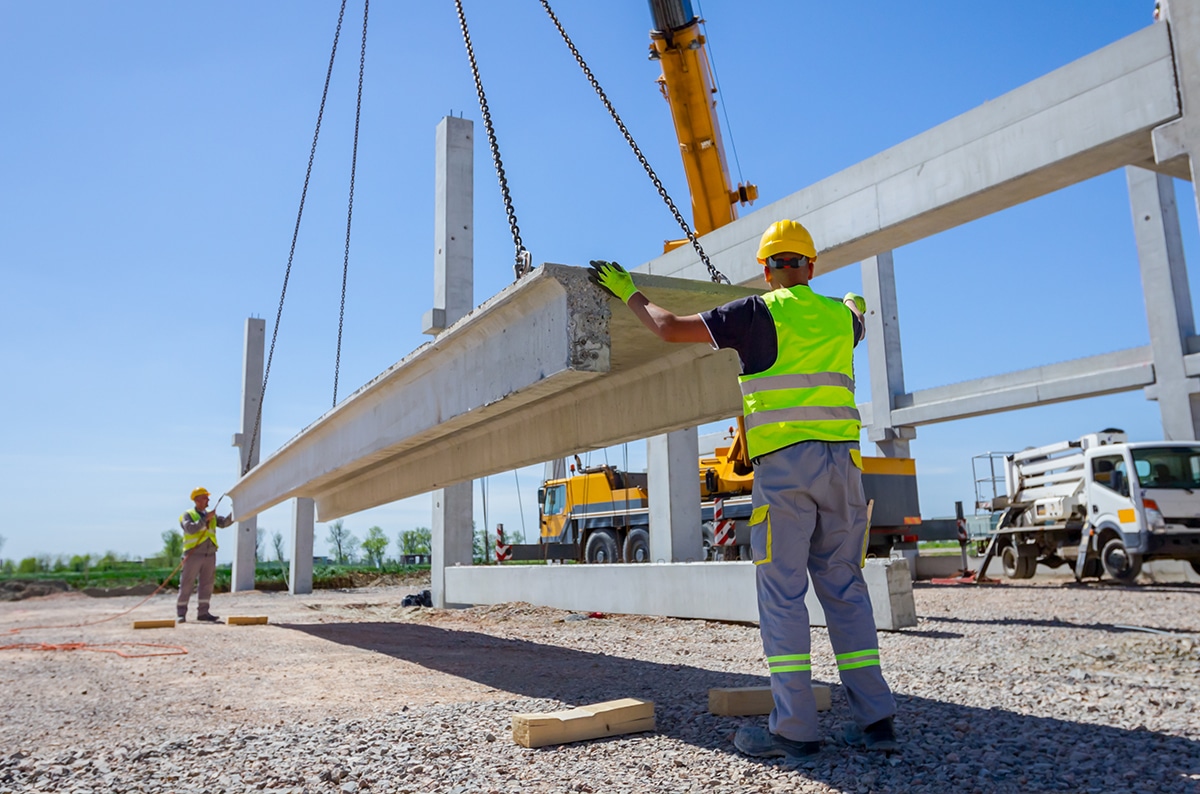
Scenario: During a precast panel lift, the load rotated unexpectedly as wind gusts increased near an active traffic lane. The lifting team paused operations and reassessed the plan.
- What went right: Stop‑work authority was used; the team re‑checked sling protection, verified centre of gravity, and added a tag‑line handler.
- Key lesson: Wind and sling angle changes can alter tension dramatically—verify angle factors and maintain clear communication with standardized hand signals.
- Control: Introduce a wind threshold, position a banksman for line‑of‑sight, and mark a larger no‑go zone around the suspended load.
Good practices: pre‑use checks, clean hardware, documented lift plan, calibrated load indicator, power‑line clearance review, and tool‑box talk before hoisting.
Poor practices to avoid: guessing load weight, mixing hardware grades, twisted or shock‑loaded slings, standing in the fall zone, and using damaged shackles or hooks.
FAQs
What is the duration and structure?
It is a 7-day program: 3 days theory classes, 3 days project-site practical, and 1 day assignment & certification.
Who is eligible for Rigger Level-1 (Basic)?
Any individual of legal working age. Prior rigging experience is not required; basic mechanical/construction awareness helps.
Is the certificate accepted for site deployment?
Yes, it confirms successful completion. Final deployment depends on employer/site policy and local regulation.
Where is this training available?
Delhi NCR, Noida, Ghaziabad, Gurugram, Lucknow, Chandigarh, Kolkata, Bangalore, Chennai, Mumbai, Ahmedabad, Hyderabad; other cities on request.
Do you provide corporate/onsite batches?
Yes. We map content to your SOPs and timelines. See Corporate Services.
Which standards does the course reference?
OSHA 29 CFR 1926 (Subpart CC), OSHA 29 CFR 1910, and manufacturer instructions/best practices.
Disclaimer: Course content and structure may be updated to reflect the latest standards, site conditions, and best practices.
Course Features
- Lectures 13
- Quiz 1
- Duration Lifetime access
- Skill level Beginner
- Language English
- Students 212
- Certificate Yes
- Assessments Self
- 4 Sections
- 13 Lessons
- Lifetime
- Legal Aspects of Lifting and RiggingOccupational Safety and Health Administration (OSHA)-OSHA regulations, §1926 and §1910 , ASME and Indian Factory Act 19482
- Definition of TermsDefinition of Terms-Overhead Lifting,Working Load Limit (W.L.L.),Design Factor, Elongation, Reach, Sling Hitches (Vertical, Choker & Basket), Competent Person, Qualified Person, Unattended and “HOIST”1
- HOIST SAFEHow H heavy is the load? What are the O operating limitations of the crane and rigging? When was the last I inspection performed? How will S sling angles affect lifting capacity? Have you performed a T test lift to check stability? Move the load with S smooth and steady actionsIs the A area clear of personnel and obstructions? Can the load be F flown and landed safely? How will the E environment affect the safety of the lift?10
- 3.1H – How H heavy is the load? Determining Load Weight
- 3.2O – What are the operating limitations of the crane and rigging? CRANE OPERATING CAPACITY
- 3.3I – When was the last inspection performed? SLING INSPECTION
- 3.4S – How will S sling angles affect lifting capacity? Sling Angles
- 3.5T – Have you performed a test lift to check stability? Load Stability
- 3.6S – Move the load with S smooth and steady actions. Safe Hoist and crane Operations
- 3.7A – Is the area clear of personnel and obstructions? Area Clear
- 3.8F – Can the load be flown and landed safely?Flying the Load
- 3.9E – How will the E environment affect the safety of the lift? Environmental Considerations
- 3.10Safe Rigging Practices
- Exam Rigger Level-I1